The Ultimate Guide to Business Tax Returns in Australia


Filing business tax returns in Australia can be a complex process, but understanding the basics can simplify it significantly. Whether you're a small business owner or managing a larger entity, being informed about the tax system is crucial to avoid penalties and make the most of potential deductions.
Understanding Business Tax Obligations
Every business in Australia needs to meet certain tax obligations. These include lodging tax returns, registering for the Goods and Services Tax (GST), and paying the correct amount of tax on time. Understanding these requirements is the first step toward compliance.
Businesses must report their income and expenses annually to the Australian Taxation Office (ATO). The type of tax return you lodge will depend on your business structure, such as a sole trader, partnership, company, or trust.
Key Tax Deadlines
Missing tax deadlines can result in penalties. It's essential to be aware of key dates, such as the end of the financial year on June 30 and various lodgment deadlines that follow. Consider using a calendar or reminder system to keep track of these important dates.

Preparing Your Tax Return
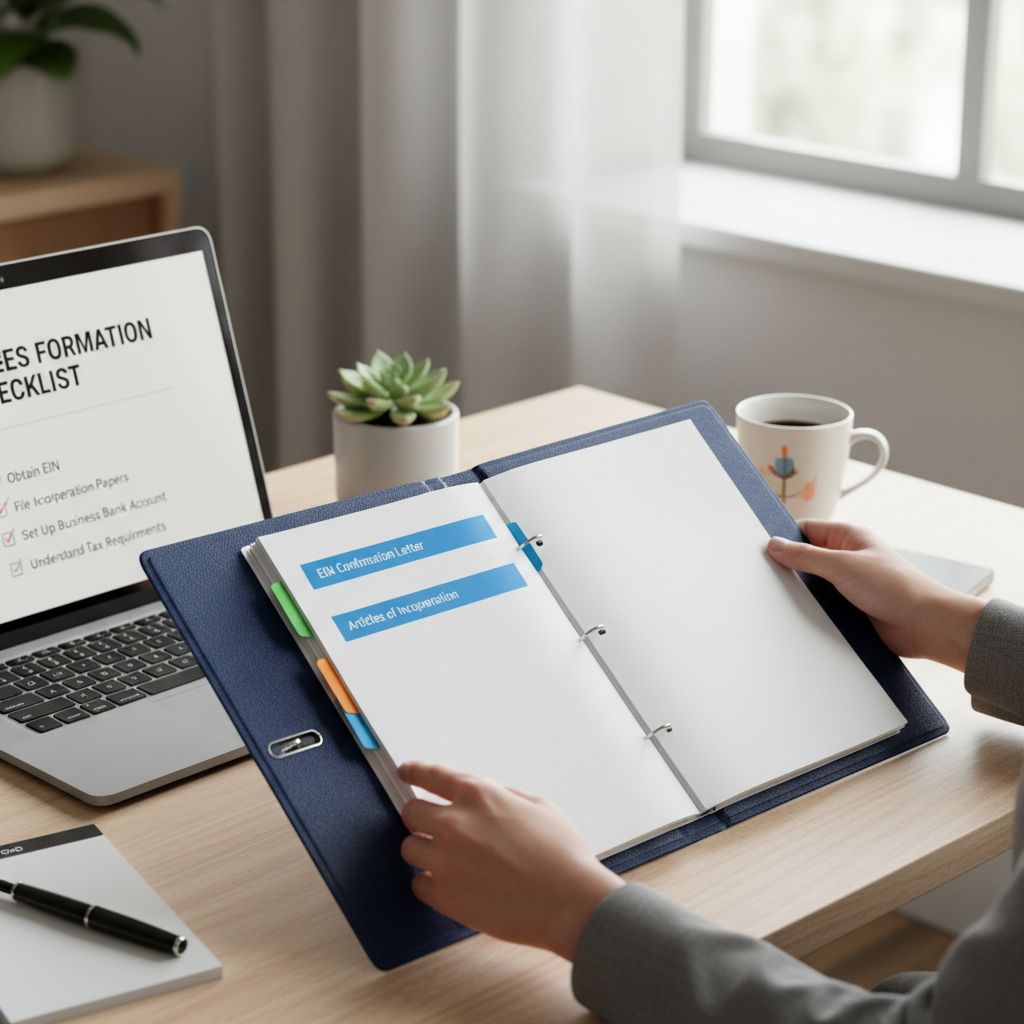
Preparation is key to a smooth tax return process. Gather all necessary financial records, including income statements, expense receipts, and any applicable deductions. Having organized documents will make filling out your return more straightforward and less stressful.
Consider using accounting software or consulting with a tax professional to ensure accuracy. This approach can help you identify deductions and credits that you might otherwise miss.
Common Deductions and Credits
Understanding what deductions and credits you can claim is crucial to maximizing your return. Common deductions for businesses include operating expenses, vehicle costs, and home office expenses. Each deduction has specific eligibility criteria, so ensure you meet these before claiming.

Using a Tax Agent
Many businesses find it beneficial to use a registered tax agent. A tax agent can provide expert guidance, ensure compliance, and may even help you achieve a better financial outcome. Additionally, using a tax agent can extend your lodgment deadline, giving you more time to prepare.
When selecting a tax agent, ensure they are registered with the Tax Practitioners Board. This guarantees they meet the required standards of professionalism and expertise.
Managing Tax Payments
Paying taxes on time is as important as lodging your return. The ATO offers several payment options, including online payments, direct debits, and payment plans for those who may have difficulty paying by the due date. Understanding these options can help you manage your cash flow effectively.
By staying informed and organized, you can navigate the complexities of business tax returns in Australia with confidence. Use the tips outlined in this guide to ensure compliance and make the most of your tax obligations.