How Sydney's Tax Regulations Affect Your Business: A Local Perspective


Understanding the intricacies of tax regulations is crucial for businesses operating in Sydney. Navigating these rules not only ensures compliance but can also offer strategic advantages. This article explores how Sydney's tax regulations impact local businesses and what you can do to stay ahead.
Overview of Sydney's Tax Environment
Sydney, as a major business hub, has a detailed tax framework that businesses must adhere to. The primary taxes affecting businesses in Sydney include corporate tax, goods and services tax (GST), and payroll tax. Understanding these taxes is essential for effective financial planning.

Corporate Tax Implications
The corporate tax rate in Australia is subject to both federal and state regulations. In Sydney, businesses need to be aware of the specific rates applicable to their size and industry. Small businesses often benefit from reduced rates, encouraging growth and investment.
For larger corporations, staying informed about changes in corporate tax rates can aid in strategic planning and budgeting. It's important to consult with a tax professional to ensure compliance and optimize tax liabilities.
Goods and Services Tax (GST)
The GST is a significant consideration for businesses operating in Sydney. This tax is a 10% levy on most goods and services, impacting pricing and profit margins. Businesses must register for GST if their annual turnover exceeds the threshold, currently set at $75,000.

Managing GST Effectively
Once registered, businesses are required to include GST in their pricing and remit it to the Australian Taxation Office (ATO). Proper record-keeping is crucial for claiming GST credits on business purchases, reducing overall tax liability.
Utilizing accounting software can streamline the GST process, ensuring accurate reporting and compliance. Regular audits of records can further prevent discrepancies and potential penalties.
Payroll Tax Considerations
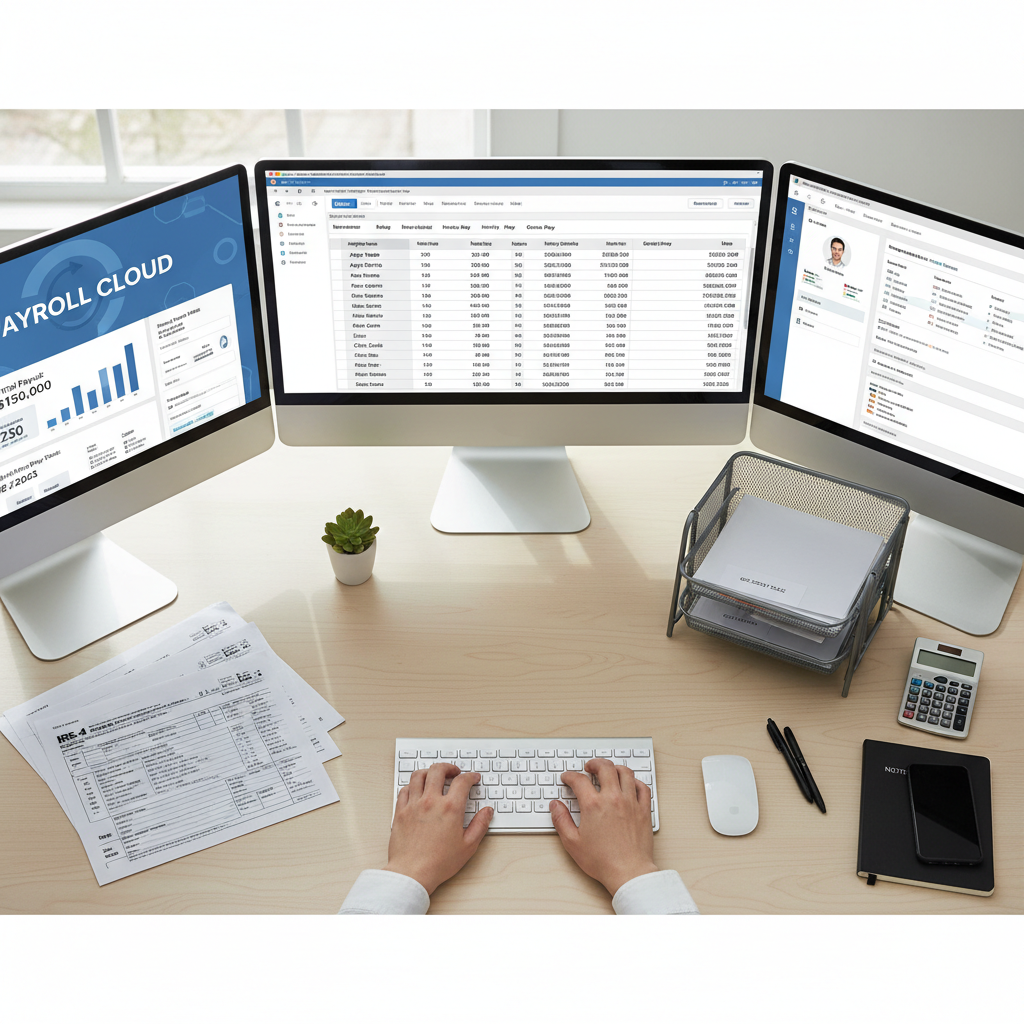
Payroll tax is another significant obligation for Sydney businesses, particularly those with substantial employee expenses. This tax is levied on wages paid to employees, with rates varying based on the total payroll amount.
Strategies for Payroll Tax Optimization
To manage payroll tax effectively, businesses can consider optimizing their staffing levels and exploring exemptions or incentives offered by the state government. Regularly reviewing payroll processes can lead to significant savings.
Furthermore, understanding thresholds and exemptions can provide opportunities for reducing tax burdens. Consulting with a tax advisor can help identify areas for improvement and ensure compliance with local regulations.
Conclusion
Sydney's tax regulations present both challenges and opportunities for businesses. Staying informed about these rules and implementing strategic measures can enhance financial performance and ensure compliance. Engaging with tax professionals and leveraging technology can significantly aid in navigating this complex landscape.