How Remote Audit Services Enhance Financial Clarity


The Rise of Remote Audit Services
In today’s fast-paced business world, the demand for efficiency and transparency is at an all-time high. Companies are looking for innovative solutions to streamline their operations and gain better financial insights. One such solution is the emergence of remote audit services, which provide businesses with enhanced financial clarity without the need for on-site visits.
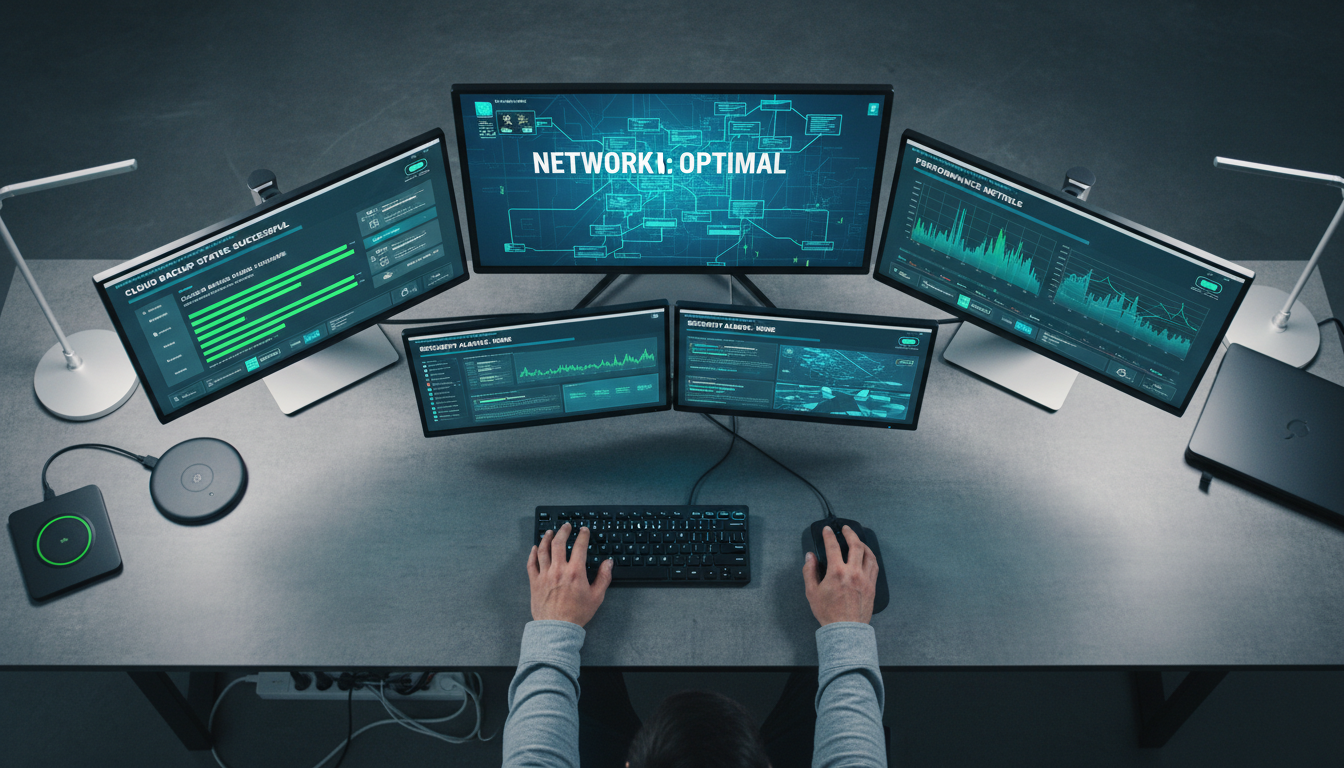
Remote audit services leverage technology to perform audits from a distance, offering the same level of scrutiny and detail as traditional methods. This approach not only saves time but also reduces costs, making it an attractive option for businesses of all sizes.
Benefits of Remote Audits
Cost Efficiency
One of the most significant advantages of remote audits is their cost-effectiveness. By eliminating the need for auditors to travel, companies can significantly reduce expenses related to travel, accommodation, and other logistical costs. This, in turn, allows businesses to allocate their resources more effectively.
Improved Accessibility
Remote audits offer improved accessibility to expert auditors regardless of geographical location. Businesses can tap into a global pool of auditing professionals, ensuring they receive the best possible insights and recommendations without being limited by local availability.

Enhancing Financial Clarity
Real-Time Data Analysis
With the integration of advanced software and data analytics tools, remote audit services provide real-time data analysis. This enables businesses to promptly identify discrepancies, trends, and opportunities, leading to more informed financial decision-making.
Comprehensive Reporting
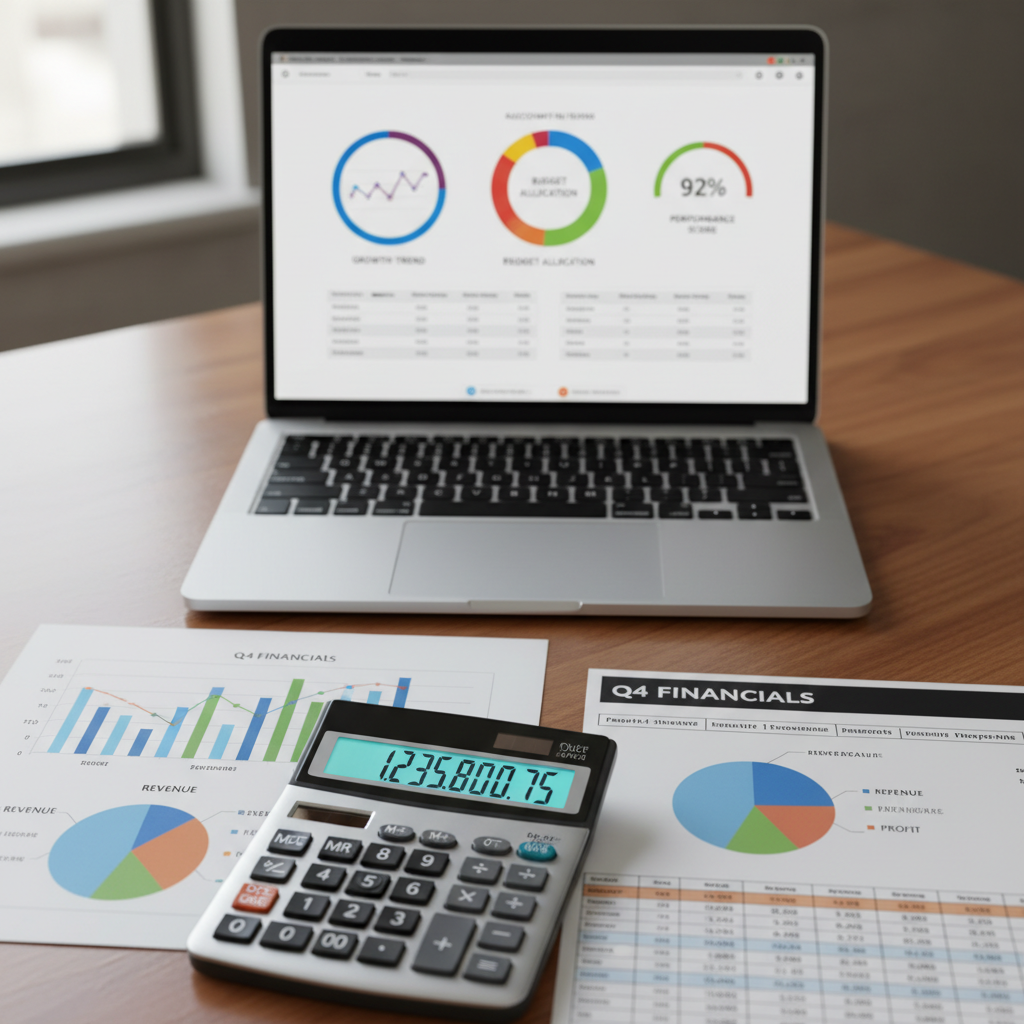
Remote audits often come with comprehensive reporting features that deliver clear, concise, and detailed financial insights. These reports help businesses understand their financial standing and pinpoint areas for improvement, enhancing overall financial clarity.
Challenges and Solutions
Data Security
One of the primary concerns with remote audits is data security. However, modern remote audit services use robust encryption and secure data transfer protocols to protect sensitive information. By prioritizing data security, these services ensure that businesses can trust the integrity of their financial data.
Technology Integration
Another challenge is the integration of remote audit technology with existing systems. To address this, many service providers offer customized solutions that seamlessly integrate with a company’s current infrastructure, minimizing disruptions and ensuring a smooth transition.
Conclusion
Remote audit services are revolutionizing the way businesses approach financial audits. By offering cost-efficient, accessible, and technologically advanced solutions, these services enhance financial clarity and empower businesses to make strategic decisions with confidence. As technology continues to evolve, remote audits are set to become an integral part of financial management strategies worldwide.