Common Misconceptions About Business Tax Returns Debunked


Understanding Business Tax Returns
Filing business tax returns can be a daunting task for many entrepreneurs and small business owners. Misconceptions abound, often leading to unnecessary stress and confusion. In this post, we'll debunk some common myths surrounding business tax returns to help you navigate the process more smoothly.

Myth 1: Only Big Businesses Need to File Tax Returns
One of the most prevalent misconceptions is that only large corporations are required to file tax returns. In reality, all businesses, regardless of size, must file taxes if they generate income. This includes sole proprietorships, partnerships, and small LLCs. Ensuring compliance with tax regulations is essential for every business, no matter how small.
Myth 2: You Can Deduct All Business Expenses
Many business owners believe they can deduct every expense related to their business operations. However, the IRS has specific guidelines on what constitutes a deductible business expense. Generally, expenses must be both "ordinary and necessary" to be deductible. It's important to consult a tax professional to understand which expenses qualify.

Myth 3: Tax Software Eliminates the Need for Professional Help
While tax software can be a valuable tool, it's not a substitute for professional advice. Tax laws are complex and constantly changing, and software may not catch all nuances or provide personalized guidance. A tax professional can help optimize your tax strategy and ensure compliance.
Debunking Misconceptions About Filing Deadlines
Another common area of confusion involves filing deadlines. Some business owners mistakenly believe that filing extensions also delay tax payment deadlines. This is not the case. Extensions provide more time to file paperwork but do not postpone payment deadlines.

Myth 4: Filing an Extension Means You Don’t Have to Pay on Time
Filing for an extension gives you more time to file your return but not to pay any taxes owed. Interest and penalties can accrue on unpaid taxes from the original due date. It's crucial to pay as much as possible by the initial deadline to avoid additional charges.
The Importance of Accurate Record-Keeping
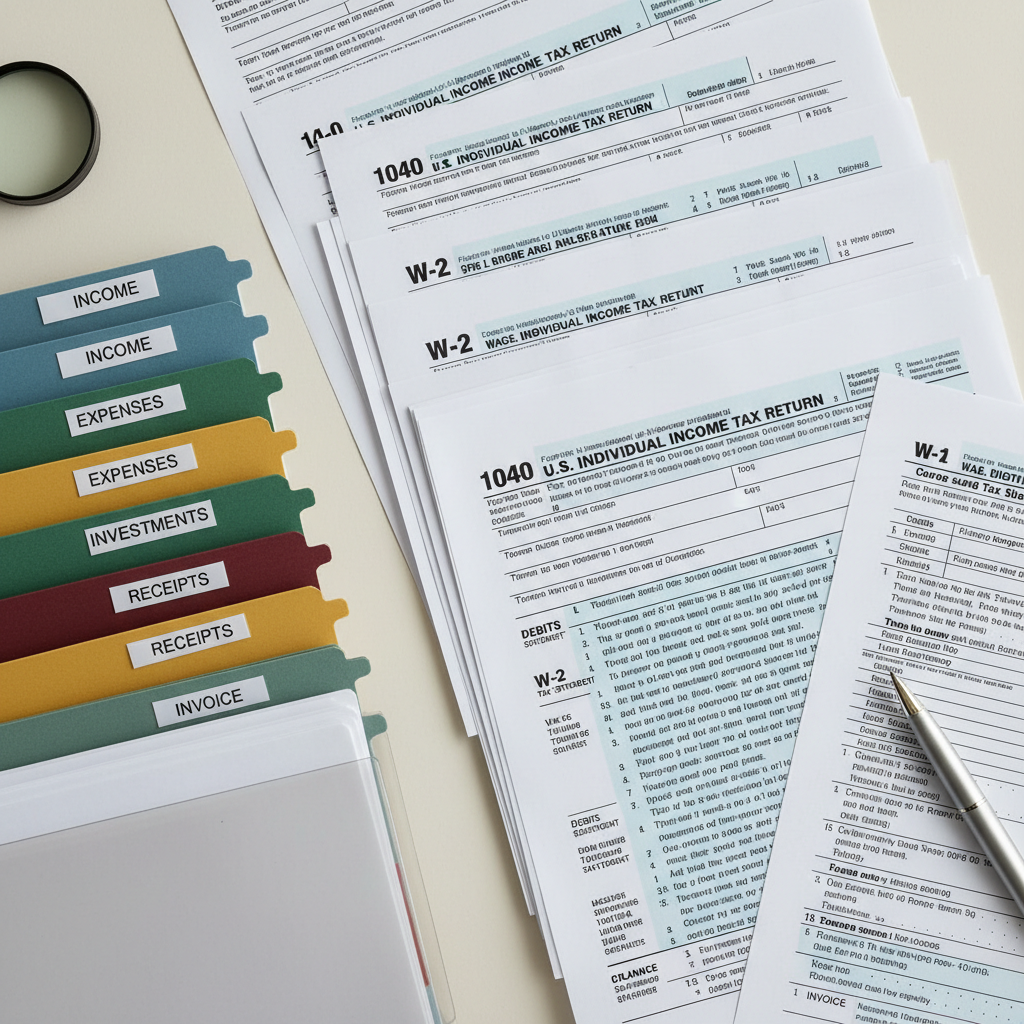
Accurate record-keeping is essential for preparing business tax returns. Some business owners underestimate the importance of maintaining organized financial records, leading to errors and potential audits. Keeping detailed records throughout the year simplifies the filing process and helps ensure accuracy.
Myth 5: You Don’t Need to Keep Records After Filing
It's a misconception that once you've filed your tax return, record-keeping is no longer necessary. The IRS recommends keeping records for at least three years. These documents may be required for future audits or amendments to your return.
By debunking these common misconceptions, business owners can approach tax season with greater confidence and clarity. Understanding the realities of business tax returns not only reduces stress but also helps ensure compliance and financial well-being.